
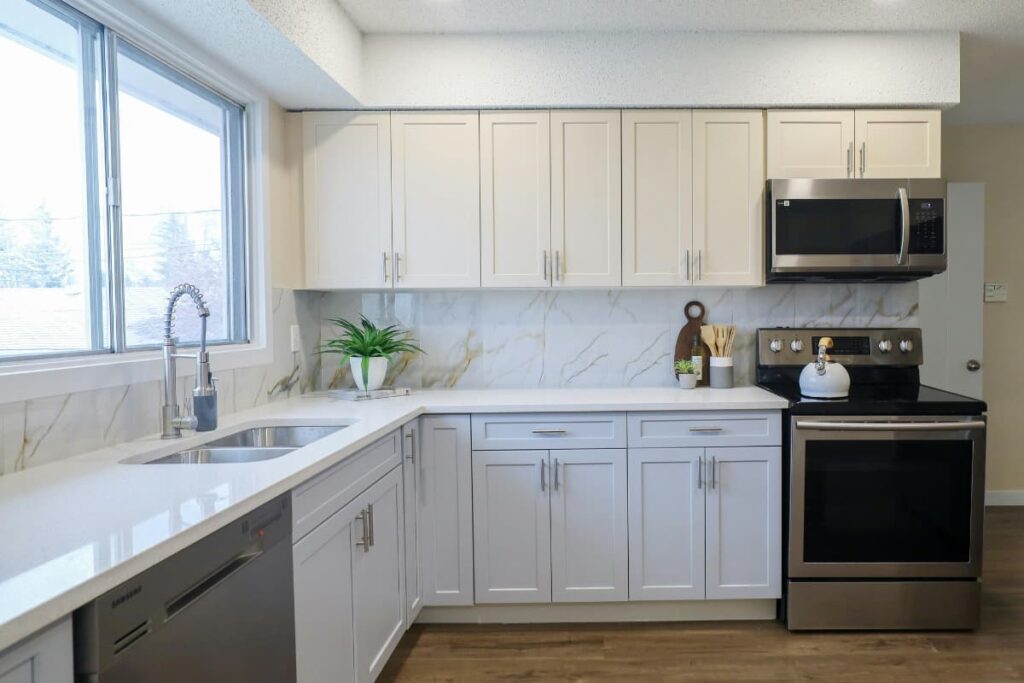
How to Make Your Kitchen Easier to Use (Without Remodeling Everything)
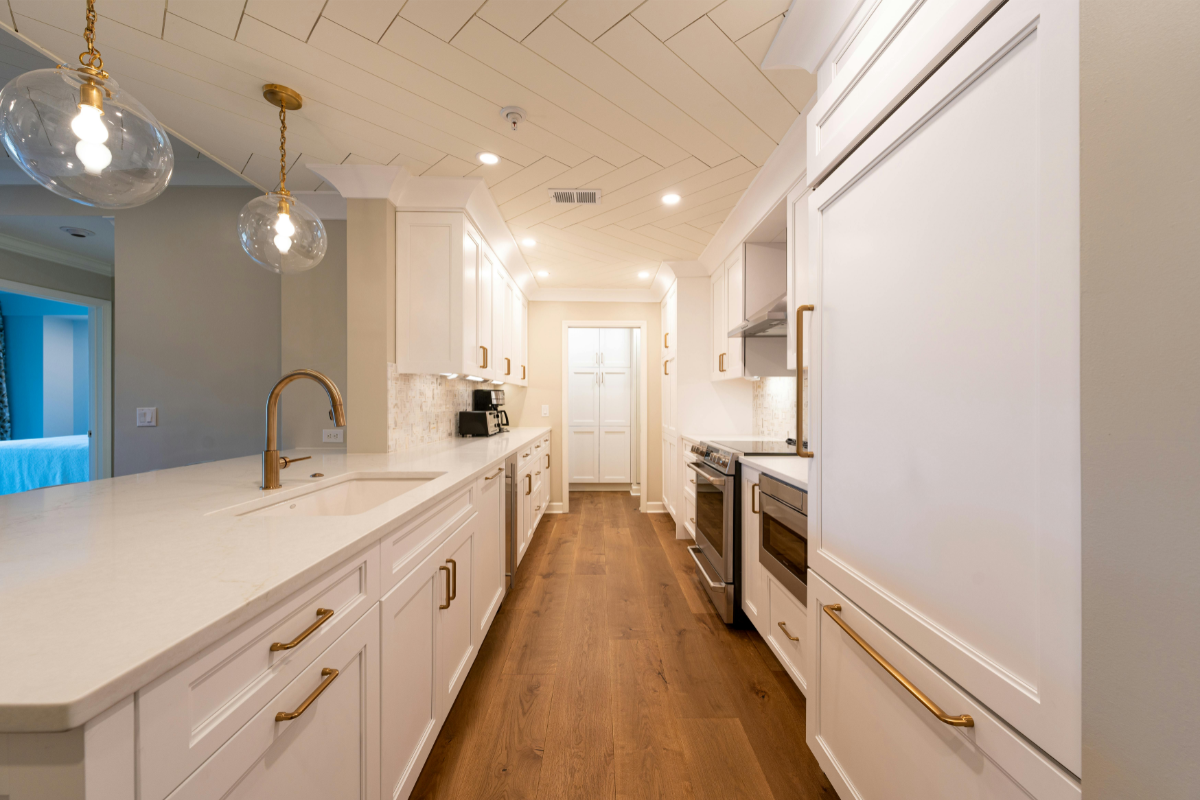
Most kitchens weren’t designed around how you actually cook. They were designed around how kitchens are supposed to look — cabinet heights that work in showrooms, lighting that photographs well, layouts that made sense at one point but not necessarily for you now.
If your kitchen has started to feel like it’s working against you — things harder to reach, counters feeling cramped, lighting that makes everything look dim — it’s easy to assume something big needs to change.
It usually doesn’t. The friction most people feel in their kitchen isn’t about the size or the cabinets. It’s about the setup. How things are arranged. Whether your tools are helping or slowing you down. Whether the light is actually good where you need it.
Small things — but the right small things — make a noticeable difference in how easy your kitchen feels to use every day.
Not sure where to begin?
- Kitchen feels dim or hard to see in? → Fix lighting first.
- Reaching and searching all the time? → Improve organization.
- Cooking feels harder than it should? → Upgrade a few key tools.
You don’t need a remodel. Most kitchens become easier to use with better lighting, a few improved tools, and simpler organization. This isn’t about upgrading everything. It’s about removing the small things that slow you down.
What Actually Makes a Kitchen Feel Easy to Use
Before jumping into upgrades, it helps to understand what “easy” actually means in a kitchen. It usually comes down to three things.
Kitchen Tools That Reduce Effort
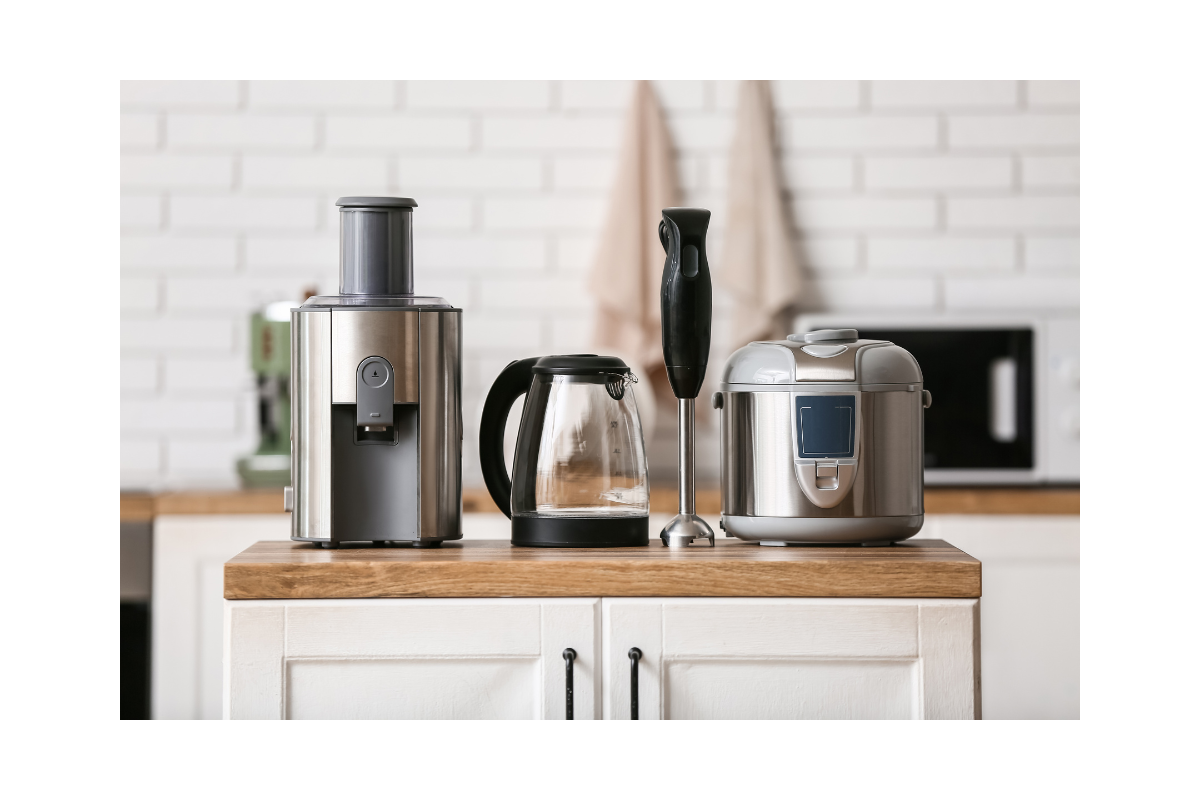
The simplest place to start is also the most overlooked: your tools. Most kitchens are a mix of old items, random purchases, and a few things that just “work well enough.” But those “good enough” tools often add small effort every single time you use them.
The shift is simple: if a tool requires effort, it’s probably worth replacing. You don’t need to upgrade everything — just focus on what you use most.
- A knife that cuts cleanly without force
- A pan that’s easy to lift and heats evenly
- A jar opener that actually works
Better Lighting
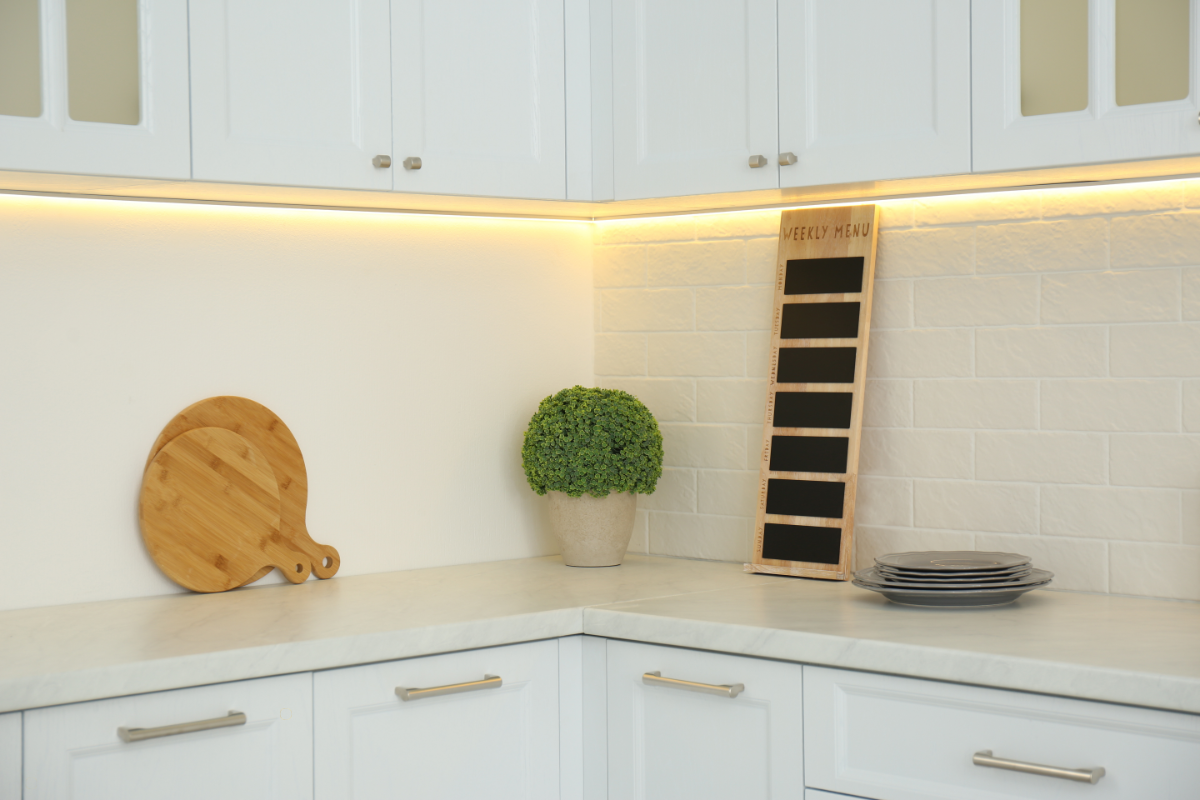
If there’s one upgrade that changes how a kitchen feels quickly, it’s lighting. Most kitchens rely on overhead lighting — which sounds fine until you realize it leaves your actual workspace in shadow. You end up chopping in dim light, struggling to read labels, guessing instead of clearly seeing.
Under-cabinet lighting fixes this directly. It puts light exactly where you’re working. LED strip lights or puck lights are inexpensive, easy to install, and immediately noticeable. This is one of those upgrades where people say “why didn’t I do this sooner?”
We’ll show you exactly where to start — room by room.
Get the Free ChecklistSmall Physical Upgrades That Add Up
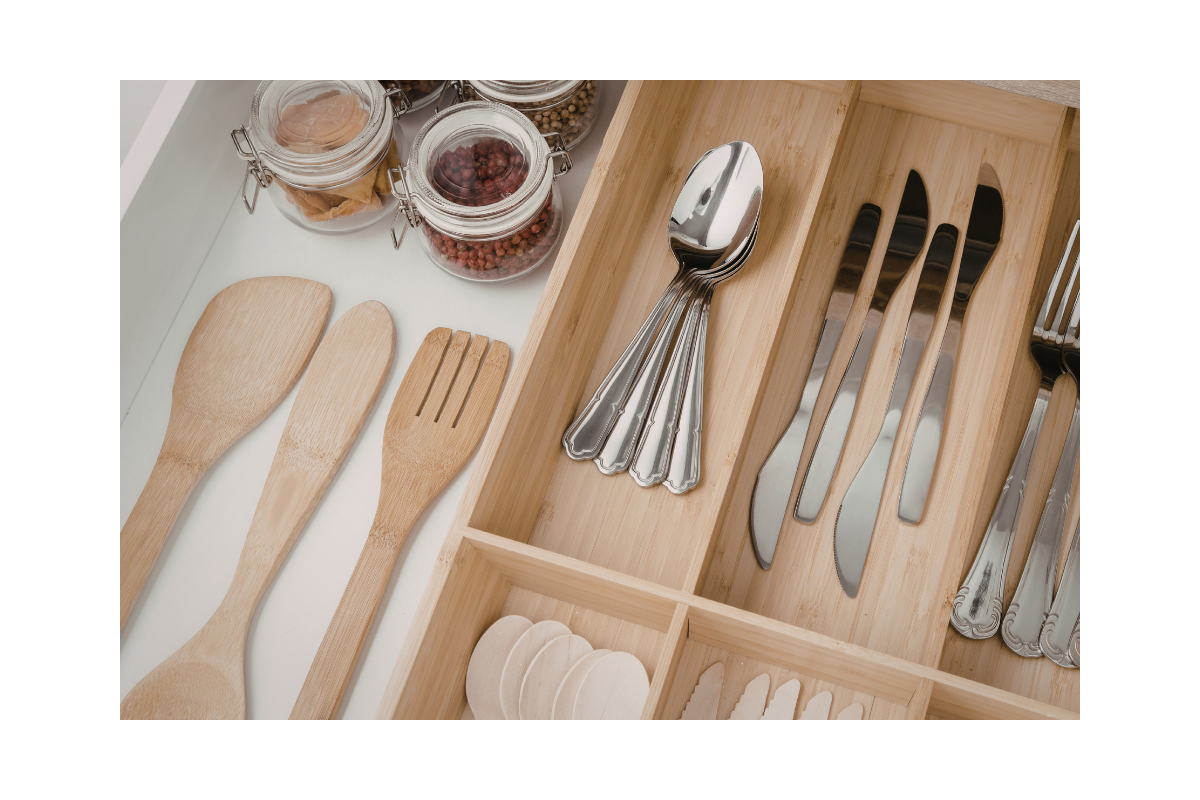
This is where a lot of daily frustration quietly comes from. Not big problems — just small inefficiencies that repeat. A few simple upgrades fix that:
- Pull-out organizers — bring everything forward so you’re not digging through cabinets
- A sturdy step stool — makes upper cabinets usable without awkward reaching
- An anti-fatigue mat — reduces strain when standing and cooking
- Counter-level storage — keeps everyday items within reach instead of hidden away
Simple Smart Additions Worth Knowing About
You don’t need a “smart kitchen” to benefit from a few smart upgrades. Used well, they remove effort — not add complexity.
- Smart plug — coffee maker starts automatically, no thinking required
- Outlet strip — no more reaching behind appliances
- Voice assistant — timers, recipes, hands-free help while your hands are full
Countertop Appliances That Do More Work for You
Some appliances don’t just help — they replace effort entirely. The key is simple: if it earns its space, it stays. If not, it becomes clutter.
- Air fryer instead of heating a full oven
- Electric can opener instead of manual effort
- Food processor instead of repetitive chopping
- Electric kettle instead of waiting on the stove
Where to Start
If this feels like a lot, simplify it. You don’t need a plan. You need one first move.
You don’t need a remodel. You don’t need complicated systems. You don’t need to spend a lot. Most improvements come from small, practical changes — not big projects.
We’ll show you exactly where to start — room by room.
Get the Free Checklist
The Bottom Line
Your kitchen doesn’t need to be transformed. It needs to be adjusted.
A few changes — lighting, tools, organization — can make it feel like a better version of itself. You use this room every single day. When it works well, you don’t notice it. When it doesn’t, you feel it constantly.
Start with what’s frustrating you most. Fix that one thing. Then go from there. That’s what makes a kitchen feel easy.
SafeHomeFirst is reader-supported. We may earn a commission at no cost to you if you purchase through our links. We only recommend products we’d confidently use in our own homes.